Bluetooth: Delivering Audio, Data Communications, and Now Precise Positioning
Bluetooth has long been recognized for audio streaming and data communications, powering everything from wireless headphones to connected sensors. Now developers can reuse the Bluetooth capability already present in billions of devices, using Channel Sounding to add precise location awareness alongside audio and data without specialized hardware. Roundtrip Time (RTT) and Phase-Based Ranging (PBR) are presented by the Bluetooth SIG as baseline approaches for channel sounding, but both have notable shortcomings (multipath interference and signal scattering among them).
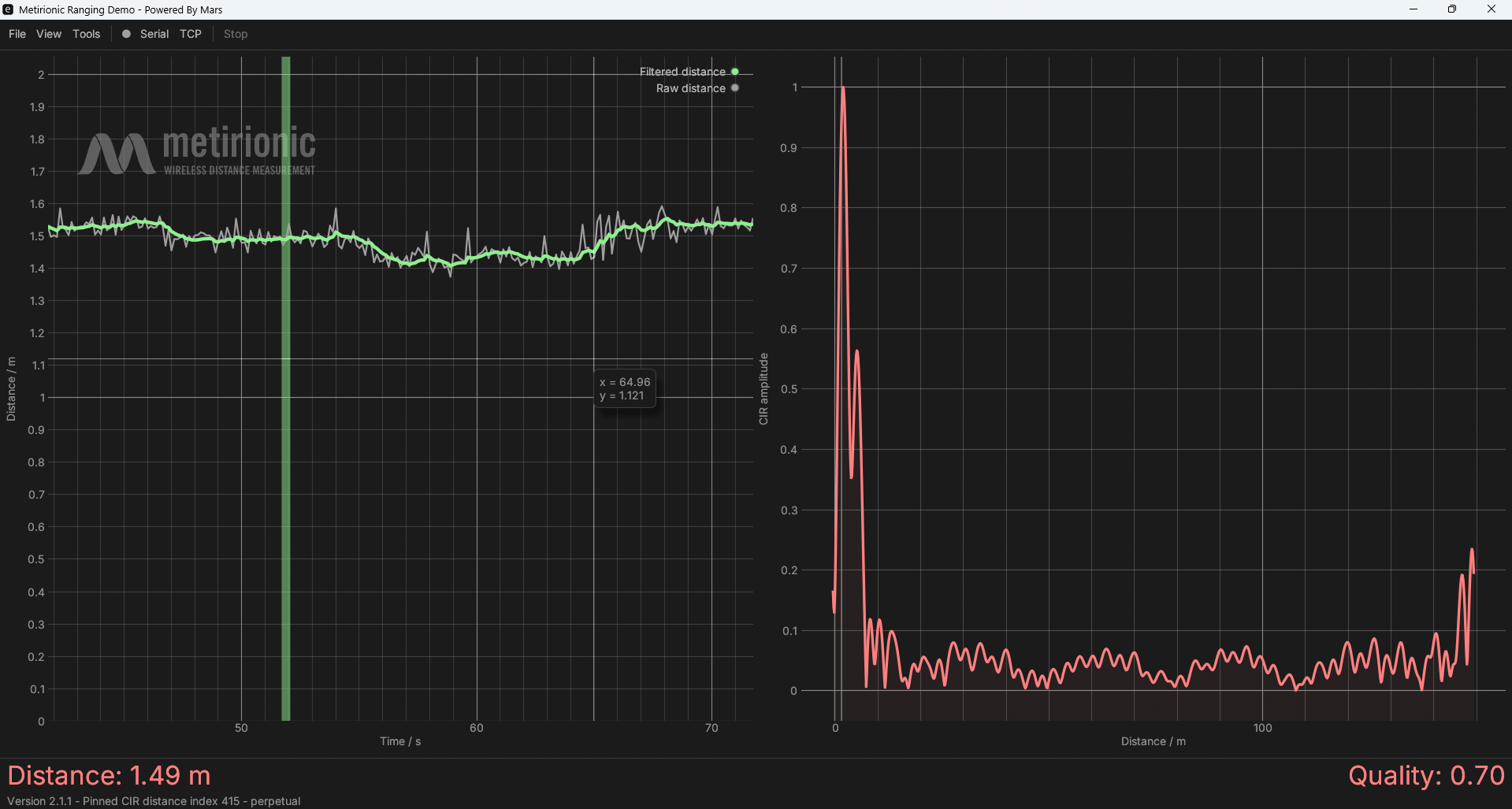
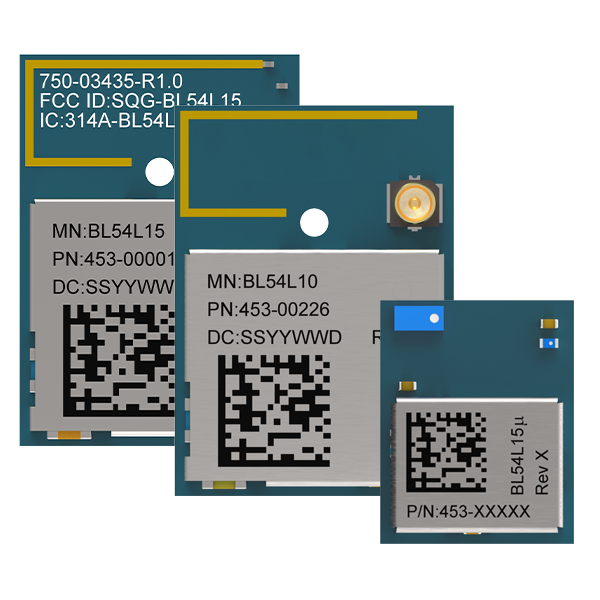
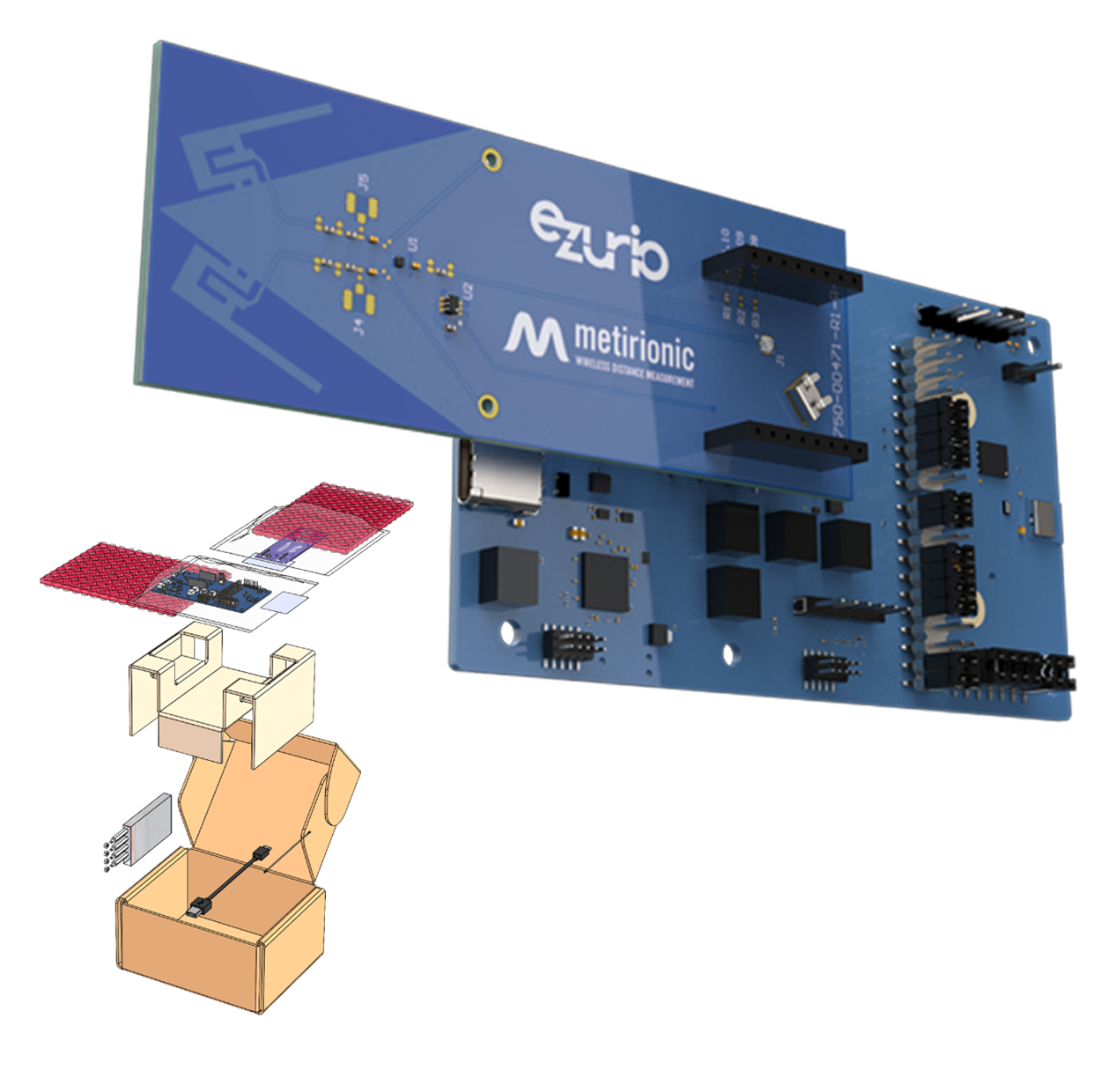
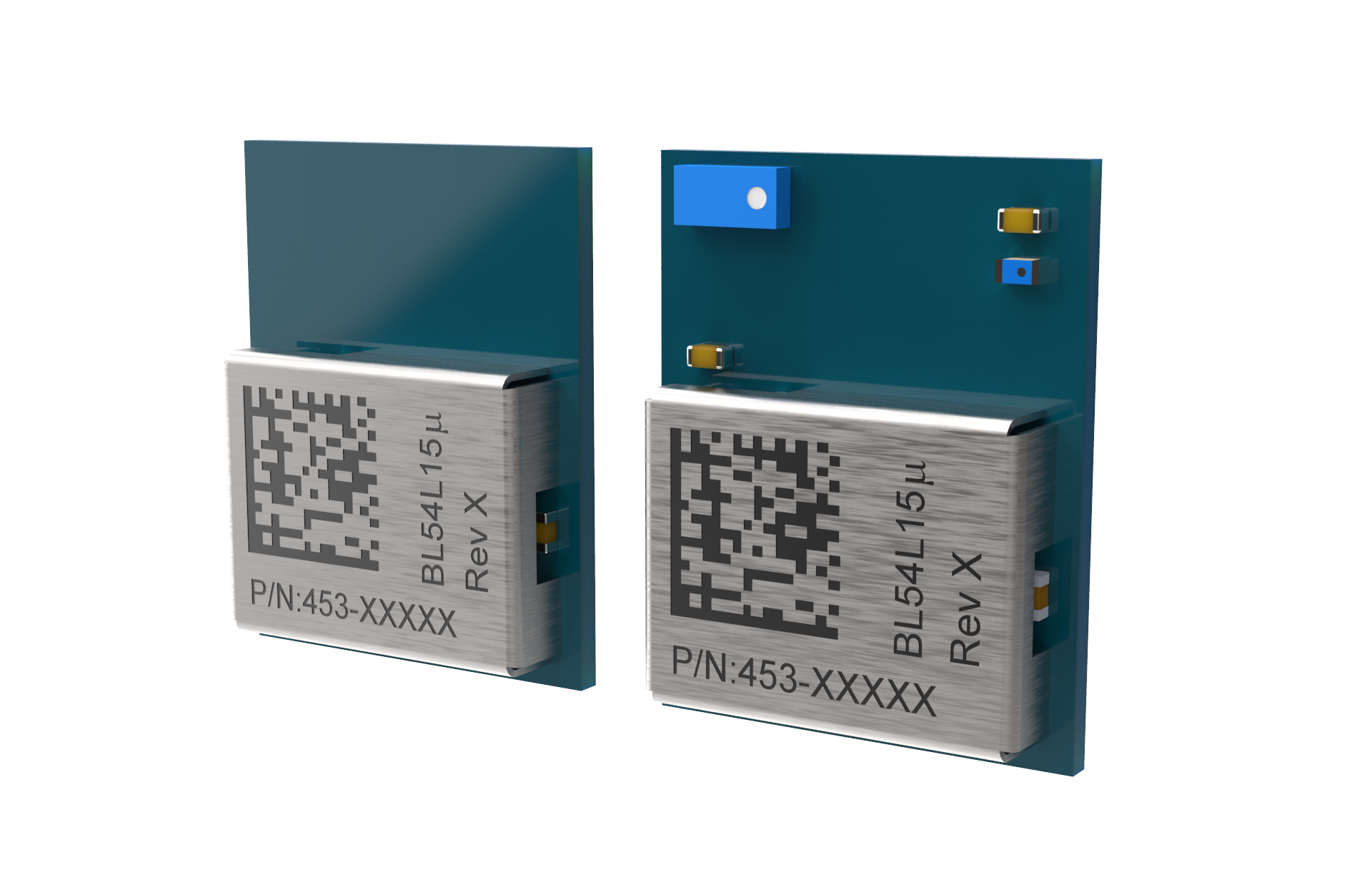
Metirionic and Ezurio combine CIR-based signal processing with multi-antenna modules, and apply CIR to the frequency domain using an inverse fast Fourier transform (IFFT) to derive the time domain response. This captures the entire radio channel rather than just phase or roundtrip delay, delivering a complete view of the radio channel from which both distance and angle information can be derived with accuracy(even in multipath heavy environments).
Bluetooth Channel Sounding opens the door to a wide range of consumer and industrial applications: proximity services, secure access, “find my” functionality, location and tracking, and real time location systems (RTLS). For some, it serves as the primary positioning method. For others, it extends GPS coverage indoors, creating continuity between outdoor navigation and indoor positioning. In every case, it enables scalable, reliable location services that integrate naturally with the communications capabilities already built into Bluetooth.
Critically, the combination of Ezurio's antenna arrays and Metirionic's MARS signal processing enables systems to determine whether a device is inside or outside — a key capability for secure access and context-aware applications. This distinction improves reliability and mitigates false positives, ensuring that doors don’t unlock simply because someone walks past from the inside. It also supports smarter automation, where systems respond differently depending on whether a person is entering from outside or moving within an indoor space.
The result is a versatile platform that supports solutions from everyday consumer devices to critical industrial infrastructure — all with accuracy and reliability that remain consistent across environments.