Top 5 Design Mistakes OEMs Make with Industrial HMIs (and How to Avoid Them)

Too many OEMs cut corners on HMI design, leading to redesigns, downtime, and costly delays. This blog breaks down the five most common mistakes and how to avoid them with smarter hardware, connectivity, and lifecycle choices.

Published on October 21, 2025

Top 5 Design Mistakes OEMs Make with Industrial HMIs (and How to Avoid Them)

Human Machine Interfaces (HMIs) are the front line between operators and complex systems, and for OEMs, getting them right can make or break a product. The problem is, too many designs cut corners early by reusing consumer-grade technology or skipping critical steps in lifecycle planning. The result? Costly redesigns, certification delays, and poor reliability once products hit the field. 

In this blog, I’ll walk through five of the most common design mistakes OEMs make with industrial HMIs and show how to avoid them by thinking ahead in hardware, connectivity, and lifecycle strategy.

Using Consumer Displays in Industrial Environment

On paper, a consumer tablet or display panel seems like a quick solution. It’s cheap, easy to source, and looks modern during prototyping. But consumer displays are built for short product lifecycles, not 10+ years of industrial uptime.

The problem: Consumer-grade panels get discontinued in 18–24 months, forcing OEMs into redesigns that eat up 9–12 months of engineering time. They also lack ruggedization for vibration, dust, or 24/7 operation. 

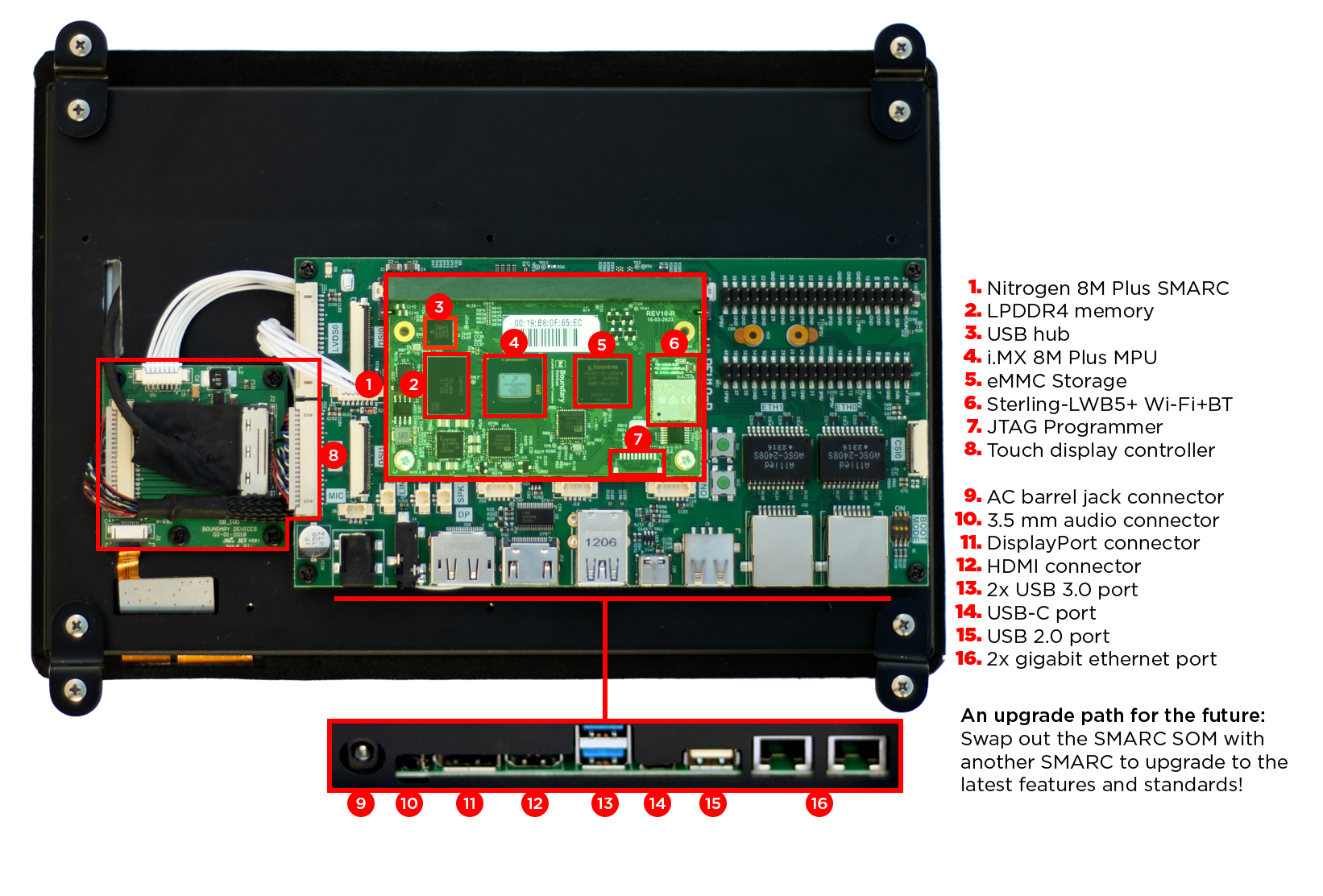
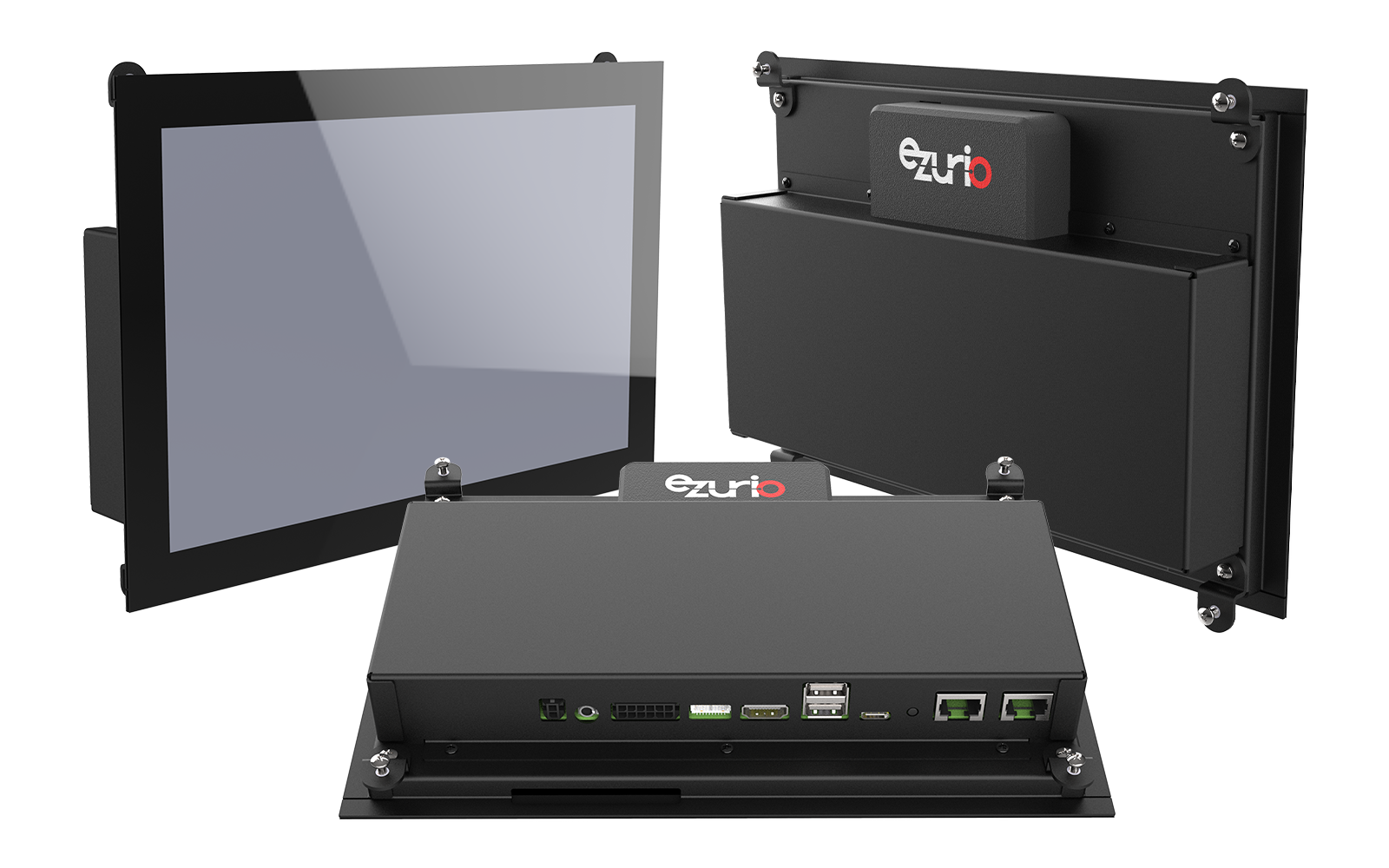
How to avoid it: Build around industrial SOM-based HMIs like Ezurio’s Nitrogen or Tungsten familes, which provide the necessary computing, connectivity, guarantees lifecycle support, and rugged designs tested for harsh environments.

Full Solution HMI Systems Across Industries.jpg

Ignoring Connectivity Performance and Certification

Many OEMs underestimate how critical wireless is in modern HMIs. Wi-Fi and Bluetooth aren’t just for convenience, they’re how machines talk to the factory floor, the cloud, or service teams. 

The problem: Dropping in a cheap Wi-Fi module means poor performance in congested RF environments like smart factories or hospitals. Worse, lack of pre-certification can send you back into FCC/CE testing, delaying launches by months. 

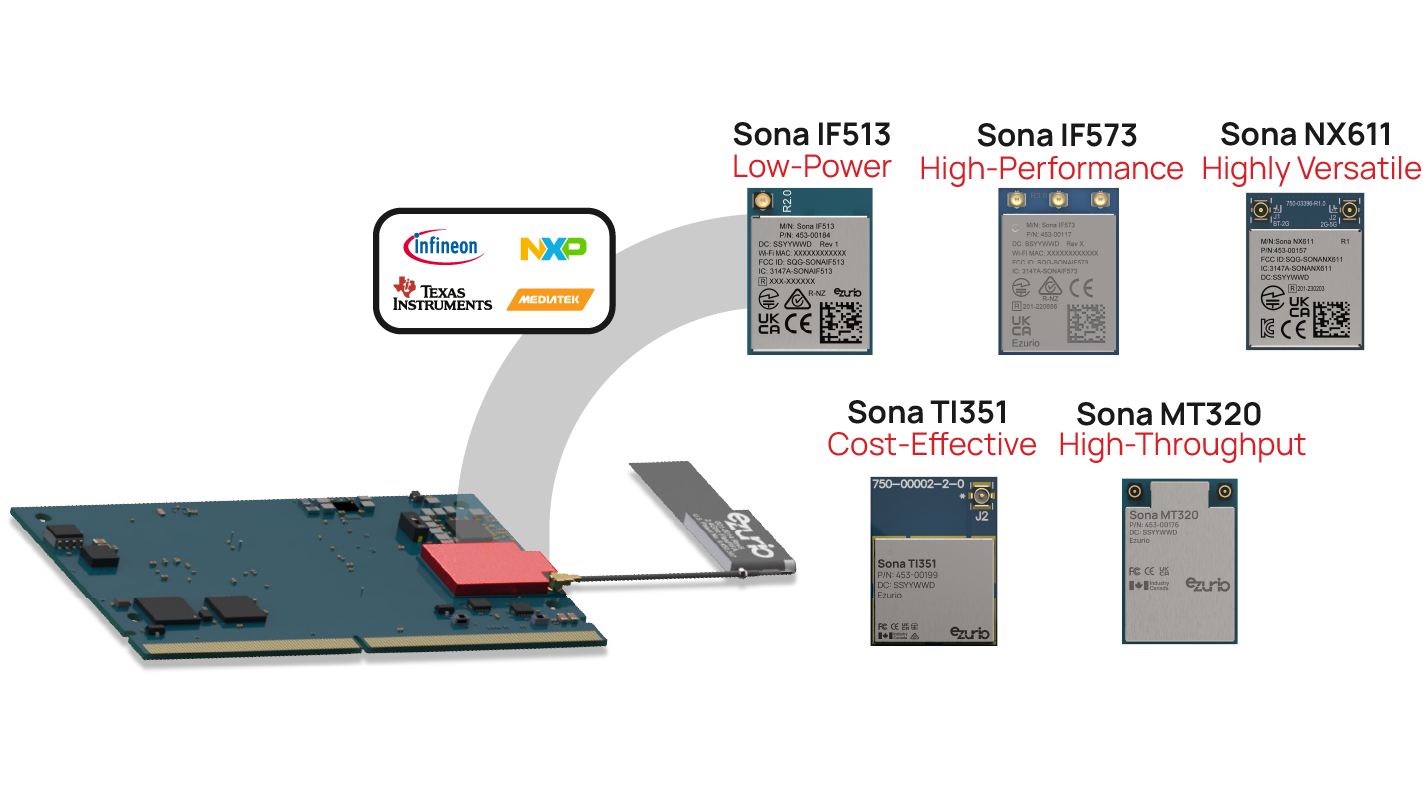
How to avoid it: Select HMIs that integrate pre-certified Wi-Fi 6/6E modules (like Ezurio’s Sona Family) guarantees performance under loads. Features like OFDMA, MU-MIMO, and WPA3 security directly address congestion and compliance.

Image Idea for Connected SOM-02.png

Underestimating Software and BSP Support

Hardware gets all the attention, but without stable software support, your HMI won’t last. Too often, OEMs design around hardware without checking whether the vendor can maintain long-term BSPs (Board Support Packages) or security patches. 

The problem: When OS support ends, your HMI is suddenly vulnerable to security breaches or forced upgrades. Proprietary OS locks from consumer devices also limit flexibility in industrial use cases. 

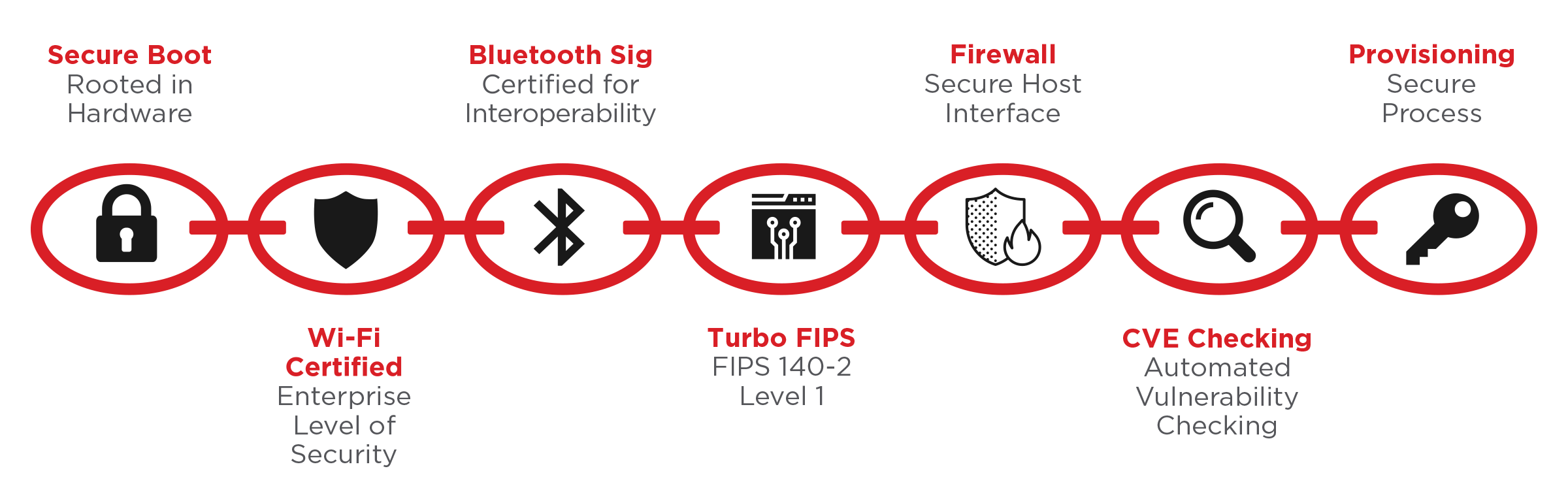
How to avoid it: Partner with suppliers who support Linux distributions (Yocto, Buildroot), Android, and RTOS, and who commit to long-term BSP and patch support. This ensures you can maintain compliance and adapt as standards evolve.

Chain-of-Trust-Graphic.png

Overlooking Power and Thermal Design

In industrial and commercial deployments, HMIs aren’t used a few hours a day, they often run continuously. Designing for power efficiency and thermal management is critical, especially in enclosed systems. 

The problem: Consumer designs perform slower under heat or draw too much power, leading to instability and shortened product lifespan. In applications like QSR kiosks or CNC machines, this means downtime and unhappy customers. 

How to avoid it: Use System-on-Modules optimized for efficiency with minimal power usage, like the i.MX 8M Plus or MediaTek Genio platforms. Industrial HMIs should include thermal design margins, low-power sleep states, and the ability to operate without active cooling in many environments.

HMI Contents - Labeled.png

Skipping Lifecycle and Supply Chain Planning

OEMs often think in terms of “getting to launch” but the bigger challenge is supporting the product 5, 7, or even 10 years down the line. Ignoring lifecycle and supply chain realities early creates massive risk. 

The problem: When critical components go end-of-life, OEMs are forced into redesigns, re-certifications, and supply disruptions that cost millions. 

How to avoid it: Work with suppliers that commit to 10–15 years of component availability and reduce certification risk through pre-certified modules. Ezurio’s industrial HMIs are built for BOM stability and long-term lifecycle management, eliminating costly redesign cycles. With Support+, our SOMs are backed by engineering expertise and updates that align each module’s lifespan with the lifecycle of your product.

product lifecycle.png

Final Thoughts

Industrial HMIs aren’t just displays, they’re the critical bridge between machines, operators, and the cloud. Cutting corners with consumer hardware, ignoring connectivity or lifecycle, or skipping thermal design always comes back to cost more in the long run. 

By building on SOM-based HMIs with proven connectivity, long-term software support, and guaranteed availability, OEMs can avoid the most common mistakes and deliver products that last. To learn more about Ezurio's HMIs, visit: www.ezurio.com/hmi