Understanding Edge IoT Computing

Edge computing addresses these challenges by processing data closer to where it's created, often at or near the sensor level.

Published on March 12, 2025

Understanding Edge IoT Computing

Billions of connected devices are coming online—from factory sensors and self-driving cars to smart home appliances—all generating massive streams of data. Harnessing this data for instantaneous insights is increasingly vital. Edge IoT computing combines edge computing and the Internet of Things (IoT) to process information right where it’s produced (at the network “edge”), rather than shuttling everything to distant cloud servers. By analyzing data locally on IoT devices or nearby gateways, edge computing enables real-time intelligence with minimal latency, reduced bandwidth use, and improved reliability. It’s a gamechanger for industries seeking faster decision-making and more efficient, autonomous systems. In fact, Gartner forecasts that by 2025 75% of enterprise data will be processed at the edge, up from just 10% in 2018 . This article explores what edge IoT computing is, why it’s essential, key benefits and use cases, as well as challenges and future trends shaping “intelligence at the edge.”

What Is IoT Edge Computing?

Edge IoT computing refers to the practice of performing data processing and analytics near the source of IoT data generation (at the “edge” of the network) rather than exclusively in a centralized cloud. To understand this, consider the two components: 

Internet of Things (IoT): IoT is the network of physical objects (“things”) embedded with sensors, software, and connectivity, allowing them to collect and exchange data. These range from household smart devices and wearables to industrial machines and smart city infrastructure. IoT devices produce a huge volume of data continuously that needs to be processed and analyzed for useful insights.

Edge Computing: Edge computing means bringing computation and storage closer to where data is generated or used (at network edges) instead of relying on a central datacenter. In practical terms, this might be an on-site server, an IoT gateway, or even the IoT device itself if it has sufficient compute power. By placing computing resources locally, edge computing dramatically reduces the latency of data communication and enables faster, near-instant responses. It also offloads work from central cloud servers by handling tasks locally.

In Edge IoT computing, these two concepts work in tandem. IoT devices collect data from their environment, and edge computing infrastructure (which can be integrated into the devices or co-located nearby) processes that data on the spot. This synergy allows organizations to derive immediate value from the deluge of IoT data. Instead of sending every sensor reading or video feed to the cloud (which would be slow and bandwidth-intensive), edge systems analyze data at the source and only transmit relevant results or alerts upstream. As Red Hat explains, “IoT produces a large amount of data that needs to be processed and analyzed so it can be used. Edge computing moves computing services closer to the end user or the source of the data, such as an IoT device.” By deploying analytics algorithms and machine learning models at the edge, IoT deployments can react in real time and make decisions locally.

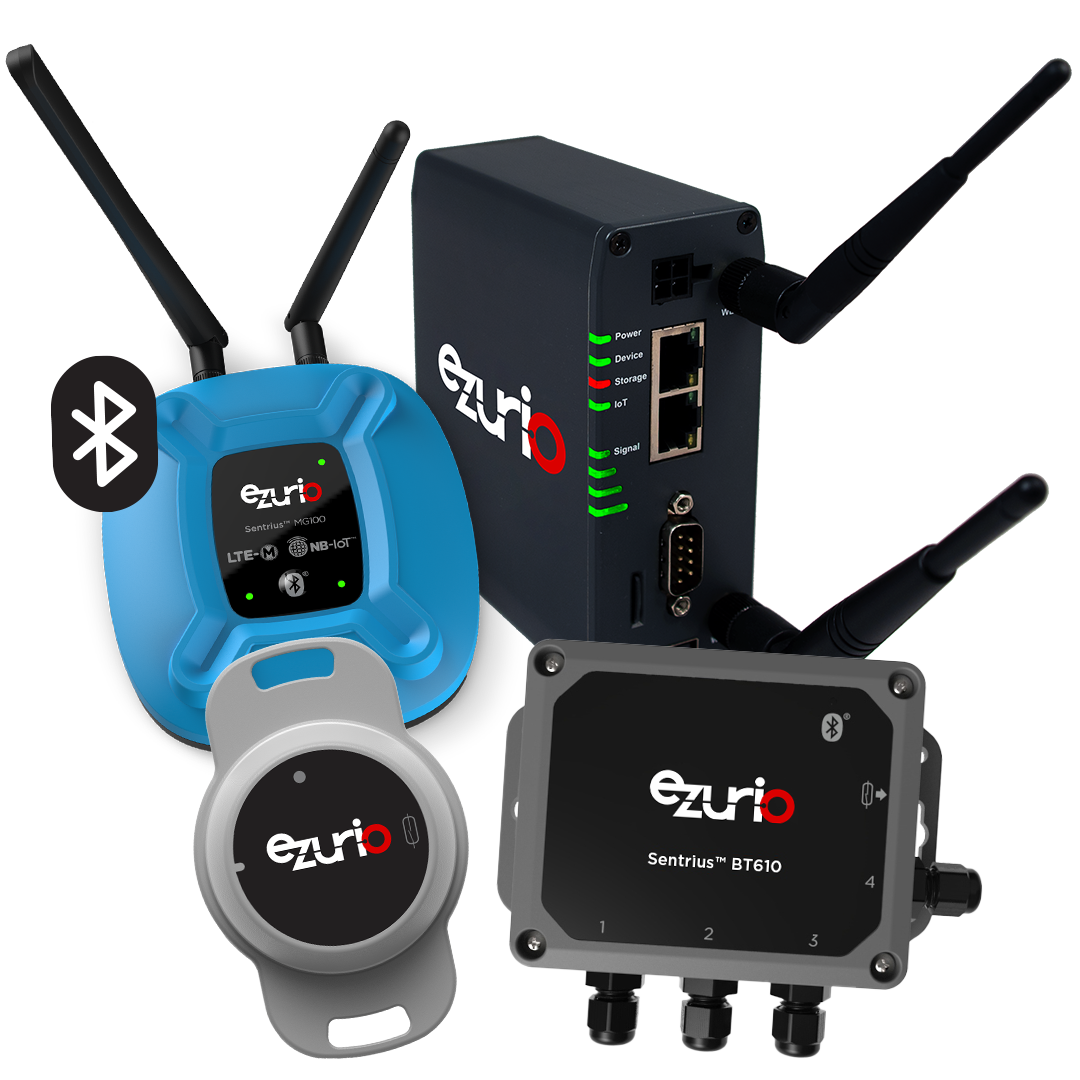
It’s important to note that while IoT devices and edge devices are related, they aren’t always the same. Many IoT sensors are simple and energy-efficient, doing minimal processing; they often rely on an intermediary edge device (like a gateway or local server) to do the heavy computation. For example, a factory might have basic temperature sensors (IoT devices) connected to an edge gateway that aggregates readings and runs anomaly detection algorithms. In other cases, an advanced IoT device (like a smart security camera or an autonomous robot) is itself an edge device, equipped with a processor to run AI models on-device. Edge devices can include IoT gateways, industrial controllers, smart appliances, drones, and more – basically any device with enough compute power to collect and process data at the network’s edge. A large architecture may consist of thousands of such edge nodes managed from a central platform. The common thread is that intelligence is embedded at the edge of the network, enabling faster response and reducing reliance on constant cloud connectivity

BT-IoT-Group-2-V2.png

Why IoT and Edge Computing Need to Work Together

Without edge computing, an IoT deployment would typically have to send all its data back and forth to a cloud or datacenter for processing. This centralized approach can bottleneck real-time responsiveness and increase costs. As a Red Hat article points out, relying solely on the cloud leads to “slower response times and less operational efficiency” for IoT, due to network latency and bandwidth constraints. In contrast, combining IoT with edge computing creates a local processing layer that keeps most data close to where it’s produced. This has several critical benefits:

Ultra-Low Latency for Real-Time Response: Edge computing minimizes the round-trip time for data to be processed. By analyzing data on-site (on the device or a nearby edge server), IoT systems can respond in milliseconds instead of seconds or longer. This is essential for applications like autonomous vehicles or industrial automation where split-second decisions are required. For instance, a self-driving car’s sensors must detect and react to obstacles almost instantly – sending those sensor readings to a distant cloud could introduce a dangerous delay. With edge processing, the car’s onboard computer (an edge device) handles it immediately, enabling safe realtime maneuvering.

Bandwidth Optimization & Cost Savings: Rather than streaming enormous volumes of raw data over networks, edge devices can filter and send only the relevant data or insights to the cloud. This significantly reduces bandwidth usage and cloud storage costs. Imagine an IoT surveillance camera that records 24/7: instead of uploading all footage, an edge AI might analyze video locally and only upload clips where an anomaly is detected. By one estimate, edge computing often transmits just 10% of data to the cloud (the portion deemed important), while discarding or aggregating the rest, alleviating network congestion.

Improved Reliability and Offline Operation: Edge IoT systems are more resilient to connectivity issues. If an edge device loses connection to the cloud or datacenter, it can continue operating autonomously and maintain functionality in the field. Critical processes don’t grind to a halt just because of a network outage. For example, a remote oil pipeline sensor network with edge processing can keep monitoring and controlling local pumps even if the satellite link to headquarters goes down. This local autonomy enhances uptime and safety. Overall system reliability improves because each edge node can act independently when needed.

Enhanced Privacy and Security: Keeping data on the edge can protect sensitive information. Since less raw data is transmitted over public networks, there are fewer opportunities for interception or breach. Local processing means personal or sensitive data (e.g. video from a smart home, patient vital signs from a wearable) can stay on the device or local network, under the owner’s control. This helps organizations comply with data privacy regulations and reduce exposure. For instance, in healthcare IoT, analyzing patient data at the hospital’s edge servers can ensure that only anonymized or necessary insights leave the premises. Edge computing thus “minimizes potential security vulnerabilities by reducing the need to transmit sensitive data over the internet”.

Operational Efficiency & Scalability: By processing data at the source, edge computing offloads work from central servers and makes IoT deployments more scalable. Critical decisions can be made on-site without waiting for cloud approval, streamlining operations. Edge devices also distribute the computational load – instead of one cloud handling 100% of the processing for thousands of devices, each device or local hub handles its share. This decentralization avoids cloud overload and scales naturally as you add more devices. Additionally, it can lower ongoing cloud service expenses since fewer compute cycles and storage are consumed centrally.

In summary, edge computing empowers IoT setups to be faster, more efficient, and more autonomous. By deploying analytics and ML at the edge, businesses can act on insights immediately for rapid decision-making. The result is a potent synergy: IoT provides the data and reach, while edge computing provides the speed and intelligence. This combination is enabling everything from smart factories that adjust on the fly, to smart cities that react in real time to traffic and environmental conditions.

Differences Between Edge Computing and Cloud Computing

The main distinction between edge computing and cloud computing lies in the location where data is processed. Cloud computing sends data from devices to remote data centers or the cloud for processing and analysis. This works well for tasks that don’t require immediate responses or for large-scale data operations. However, the cloud has limitations in latency, as all that data must travel long distances, causing delays that can affect real-time applications.

In contrast, edge processing digests data locally, enabling devices to analyze and make decisions almost instantly, reducing latency to milliseconds. This is crucial for IoT applications in fields like autonomous vehicles, healthcare, and industrial automation, where quick decisions are vital for safety and efficiency. Edge computing also reduces the amount of data sent to the cloud, alleviating network congestion and cutting bandwidth costs. While cloud compute is excellent for large-scale analytics and storage, edge computing capabilities complements these architectures by handling time-sensitive tasks with faster, more efficient processing at the device level.

Benefits of Edge Computing For IoT Devices

Reduced Latency and Faster Response Times

One of the most significant advantages of edge computing in IoT is its ability to drastically reduce latency. When data processing occurs at edge locations on the network, right near where the data is generated by an IoT edge device, the time between data collection and action is minimal. This is crucial in environments where immediate responses are needed. For example, in an autonomous vehicle, speedy data processing is necessary for the vehicle to make split-second decisions, like avoiding an obstacle or adjusting speed. With edge computing, the vehicle can process and react to data in real time, without waiting for a signal to travel to a distant server and back.

The reduced latency from edge computing is equally important in other IoT applications, such as smart manufacturing, where quick adjustments in machinery can prevent downtime or product defects. By enabling immediate data analysis and action, edge computing ensures that IoT systems operate in real time, making them far more efficient and responsive than traditional cloud-based systems.

Improved Data Security and Privacy

Edge computing offers enhanced security and privacy by processing sensitive data locally, rather than transmitting it over long distances to centralized cloud servers. This reduces the exposure of data to potential breaches during transmission. In sectors like healthcare or finance, where privacy is a significant concern, edge computing allows data to be analyzed and stored at the device level, minimizing the risk of unauthorized access. For example, a healthcare wearable device can monitor a patient’s vitals and make decisions based on this data without sending sensitive personal information to the cloud.

By keeping data on local devices, edge computing also makes it easier to comply with privacy regulations, such as GDPR or HIPAA, which require strict controls over data access and storage. Since less data is transmitted to external servers, companies can have more control over who accesses it and where it resides, providing peace of mind to both businesses and end-users.

Lower Bandwidth Usage and Operational Costs

Edge computing also offers significant cost savings, primarily by reducing the amount of data transmitted over the network. In a typical IoT system, where IoT data is sent to the cloud for processing, a significant amount of bandwidth is used, especially when the system generates a large volume of data. By processing much of the data locally, edge computing helps reduce the strain on the network and minimizes the need to transmit data extensively.

This decrease in data traffic leads to lower operational costs. For example, in a smart city infrastructure, devices can process most of the data produced by sensors locally, sending only summarized or critical data to the cloud for further analysis.

This reduces the overall bandwidth usage, which in turn reduces data transfer costs and network congestion. Businesses can save on cloud storage, data transfer costs, and bandwidth consumption, making edge computing an efficient choice for large-scale IoT deployments.

Enhanced Reliability and Availability

Edge computing increases the reliability and availability of IoT systems by enabling devices to function even when disconnected from the cloud. In traditional IoT systems, if the network or cloud service experiences an outage, the entire system can go down, halting operations. With edge computing, devices can continue to operate independently, processing data locally and making decisions on the spot. This is particularly important in industries like manufacturing or transportation, where even a brief system failure can lead to costly delays.

For example, in industrial environments, edge computing allows machines and sensors to continue monitoring and responding to conditions, even if they lose cloud connectivity. The data processing capability ensures that operations can continue smoothly without disruption, maintaining system performance and minimizing downtime. Edge computing essentially guarantees that critical processes can continue, improving overall system reliability and availability.

Key Components of an IoT Edge Computing Architecture

Edge Devices

Edge devices are the starting point in an IoT edge computing architecture. These devices are equipped with sensors and actuators that gather and interact with data generated from the physical environment. For example, in a smart building, devices could include temperature sensors, motion detectors, or smart devices connected to environmental monitors.

Their primary role is to collect the data produced from these devices and sometimes carry out basic processing before sending it to a nearby gateway or directly to an edge server for further analysis.

The data collected by edge devices can vary depending on the application. In some cases, such as in wearables or health-monitoring systems, these devices may also perform some initial analysis on the data they gather. These devices may use some minimal compute resources to either process this data or packaged it in an IoT-friendly format such as MQTT.

The more intelligent the edge device, the less it needs to rely on external computing resources. Edge devices, as part of edge systems, also ensure that data filtering is completed as close to its source as possible, which is a fundamental advantage of edge computing, ensuring fast data handling and reducing network traffic.

Edge IoT Gateways

Edge gateways act as intermediaries between devices and the broader network. They are responsible for aggregating data from multiple devices and preparing it for transmission to edge servers or the cloud, depending on the architecture. These IoT gateways also handle additional data processing, such as filtering, compression, or even analyze data locally, before forwarding relevant data for deeper analysis.

One of the critical functions of an edge gateway is to ensure seamless communication between different protocols and data sources used by edge devices. For instance, devices might communicate via Zigbee, Bluetooth, or other specialized IoT communication standards, while the edge gateway might need to aggregate and transmit that data over Wi-Fi, Ethernet, or cellular networks.

An IoT gateway processes data more efficiently to help bridge these gaps and ensure that data flows smoothly between the devices and the rest of the network, especially for tasks that involve machine learning or artificial intelligence. Machine learning is often accomplished by processing large amounts of raw data and using algorithms to extract meaningful patterns. It's more efficient on cloud infrastructure to do this processing via IoT edge computing. 

Edge Servers

Edge servers are more powerful than gateways and provide significant computational resources for running complex applications or processing large volumes of data from various edge devices. These servers can perform advanced analytics, run machine learning models, or execute business logic that requires greater computing power than can be handled by other devices or gateways alone.

In industrial environments, for example, an edge server might analyze sensor data from the physical location of production machines, detecting potential faults or optimization opportunities. The edge server could even integrate multiple data streams from various sources, such as temperature, vibration, and machine status, to provide more comprehensive insights into equipment performance.

Communication Networks

Communication networks are essential in IoT systems, enabling data transfer between devices, gateways, servers, and the cloud. In edge computing, these networks ensure low-latency, high-reliability connections for real-time data transmission. Depending on the use case, the network may include wireless options like Wi-Fi, Bluetooth, Zigbee, or LoRaWAN, or wired connections like Ethernet or fiber optics.

These networks ensure smooth data flow between components, allowing devices to communicate with local gateways or servers, and facilitating both raw and processed data transfer. In some cases, they support bidirectional communication, enabling devices to send data and receive instructions. Efficient communication is critical for scaling IoT systems, especially in large environments like smart cities or industrial automation, ensuring high reliability and performance.

Applications of IoT Edge Computing

Industrial Automation and Manufacturing

In manufacturing and industrial settings, machines are often equipped with arrays of IoT sensors monitoring vibration, temperature, pressure, etc. Edge computing allows these systems to perform realtime analytics on the factory floor. For example, an edge controller on a production line can continuously analyze sensor data to ensure equipment is operating optimally and detect any anomalies or signs of wear before they lead to failures. This enables predictive maintenance – the machine can alert technicians or even automatically adjust operations at the first hint of a problem. If a robotic arm’s motor shows unusual vibration, an edge AI module could flag it and slow the robot down or take it offline for inspection, preventing an accident or costly downtime. Because the analysis happens locally, there’s no latency waiting for cloud processing, which is crucial for fast-moving production lines. Moreover, factories are leveraging edge computing for computer vision (quality inspection cameras detecting defects in milliseconds on the line) and digital twins (simulating equipment performance in real time at the edge) to optimize processes. These capabilities significantly improve yield and reduce waste, demonstrating why Industrial IoT (IIoT) is a major driver of edge adoption.

Smart Cities and Infrastructure

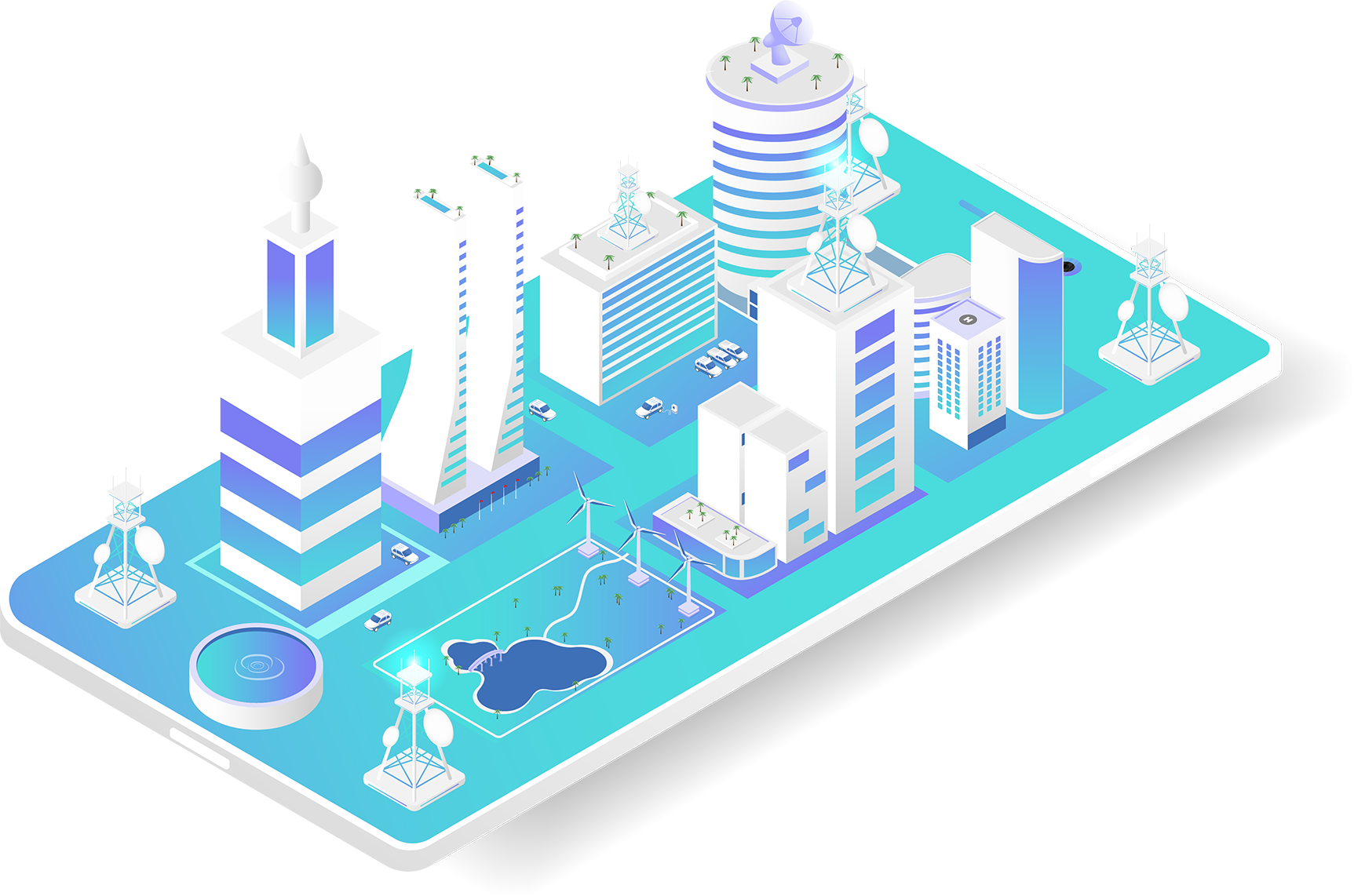
Urban infrastructure is getting smarter with IoT devices like traffic cameras, street light sensors, air quality monitors, and energy meters distributed throughout a city. Edge computing is crucial to handle this deluge of city data on-site for immediate action. Consider traffic management: cameras and sensors at an intersection can locally analyze traffic flow and adjust the traffic light timing in real time to alleviate congestion, instead of relying on a central system to make every decision. Similarly, edge-enabled surveillance systems can detect incidents or anomalies (e.g. identifying a stalled vehicle or a crowd forming) and alert authorities within seconds. In environmental monitoring, edge devices check conditions (water levels, pollution indices) and can trigger instant alerts or localized responses (like activating flood pumps or changing digital signage to warn citizens). A city-wide cloud system might still be used for long-term data aggregation and planning, but the immediate responsiveness comes from intelligence at the edge. This is also beneficial for bandwidth: one smart city project noted that sending raw video from hundreds of cameras to the cloud was impractical, so they used edge AI in each camera to report only events of interest. Edge computing in smart cities makes services like public transit, utilities, and emergency response more responsive and efficient. It also supports smart grids – local substations can balance power supply and demand on the fly based on sensor inputs, making the energy grid more resilient and efficient (and as a bonus, reducing carbon footprint by optimizing energy use ).

Healthcare and Wearables

Healthcare IoT devices, such as patient monitors, wearables, and smart medical equipment, generate continuous data that often requires immediate interpretation. In hospitals, for instance, edge computing is being used to analyze patient vital signs in real time. A portable patient monitor or a bedside edge device can track metrics like heart rate, blood pressure, and oxygen levels and instantly detect alarming patterns or anomalies. If a patient’s vitals indicate distress, the system can alert nurses or doctors on the spot, without waiting to send data to a cloud and back. This rapid response can be life-saving in critical care scenarios. Edge computing also helps maintain privacy here: sensitive health data can be processed within the hospital’s local network, with only necessary info sent to cloud systems for electronic health records. Telemedicine and remote patient monitoring devices (like smart glucose monitors or heart monitors patients wear at home) also leverage edge processing. The device can locally determine if readings are out of normal range and immediately notify the patient or physician. Beyond patient monitoring, consider imaging and diagnostics: an edge server in a clinic could run AI analyses on X-ray or MRI images right as they are taken, providing preliminary results to doctors within moments. Overall, edge IoT in healthcare improves responsiveness while keeping data close for security and compliance.

Autonomous Vehicles and Transportation

Autonomous vehicles (AVs), including self-driving cars, drones, and autonomous robots, are essentially IoT systems on wheels (or wings). They are equipped with numerous sensors (cameras, LiDAR, radar, GPS) that generate a flood of data about the vehicle’s surroundings each second. These systems absolutely require edge (on-board) computing to function. A self-driving car, for example, uses high-performance edge processors to fuse sensor data and run complex algorithms (like object detection and path planning) in real time as it drives. There’s no time to send sensor feeds to the cloud – by the time a cloud server analyzes the situation and sends back a decision, the car might have traveled dozens of meters. Instead, the car must locally compute and make split-second decisions (brake, steer, accelerate) with minimal latency. Tesla famously processes camera and radar data on-board its vehicles to enable features like automatic emergency braking and lane keeping within milliseconds . Edge computing in vehicles also reduces dependency on connectivity; this is critical because an autonomous vehicle cannot risk losing cellular connection and becoming “brain-dead.” Even connected vehicle systems (vehicle-to-vehicle or vehicle-to-infrastructure communications) often use local edge units at road intersections or in fleet management hubs to coordinate traffic and safety in real time. Beyond cars, drones use edge AI to navigate and avoid obstacles independently, and connected trains or ships may use on-board edge systems for navigation and equipment monitoring where network access is intermittent. In summary, edge computing is the “realtime intelligence” that enables autonomy in transportation, allowing vehicles to react instantly to their environment and carry out missions safely without human intervention

Retail and Smart Spaces

Retailers are adopting edge IoT solutions to enhance customer experiences and optimize operations in physical stores. Smart retail shelves and inventory sensors can automatically track product levels and item movements. An edge gateway in the store might aggregate signals from RFID tags or weight sensors on shelves to detect when an item is running low or if a misplaced product is in the wrong area, triggering staff alerts for restocking or reorganization in near real time. In cashier-less store concepts (like Amazon Go), dozens of ceiling cameras and sensors work together with edge AI to detect which products customers pick up and infer what to charge them, all in real time on-site to enable a seamless checkout-free experience. If this were done in the cloud, the latency and bandwidth needed for so many video streams would be impractical. Similarly, stores use foot-traffic sensors and smart cameras analyzed at the edge to understand customer flow through aisles and optimize store layouts or provide personalized digital signage instantly as shoppers move about. In logistics and warehouses (a close cousin of retail), edge computing is used with IoT scanners and conveyor sensors to manage package sorting at high speed. By processing scans and sensor triggers locally, packages can be rerouted or flagged on the fly without slowing down throughput. Edge-driven intelligence in retail and commerce leads to faster service, fewer stockouts, theft reduction, and data-driven insights in brick-and-mortar settings. One example case noted that in retail, “edge devices in stores manage real-time inventory and customer analytics… while cloud systems handle centralized inventory control and business intelligence” . This split ensures immediate actions can happen at the store level, with broader strategy and analysis in the cloud.

These examples only scratch the surface. Edge IoT computing is also transforming sectors like energy (with smart grid edge control as mentioned), agriculture (edge sensors and drones monitoring crops and adjusting irrigation in real time), telecommunications (5G base stations with edge computing for ultra-low latency services), and even aerospace. A striking example is NASA’s use of edge computing on the International Space Station: instead of sending raw experiment data down to Earth, they run experiments on an on-board “spaceborne” edge computer and send back results, accelerating insight from months to minutes . Overall, wherever there is a need for real-time, intelligent action based on sensor data, edge computing is likely playing a role. 
Challenges in Implementing IoT Edge Computing

While edge IoT computing offers tremendous advantages, it also introduces new challenges and considerations that organizations must address: 

Security Risks and Attack Surface: Increasing the number of intelligent nodes (edge devices) in the field expands the potential attack surface for hackers. IoT and edge devices have been targeted with malware, DDoS attacks, data breaches, and even physical tampering . It’s a challenge to secure each device, as a compromise at the edge could lead to unauthorized data access or provide a foothold into the broader network. In fact, surveys show cybersecurity is the #1 concern holding back faster edge adoption – cited by ~47% of enterprises as a major barrier . Robust security measures are needed, such as device authentication, encryption of data streams, and possibly zero-trust architectures (never assume any device or user is trustworthy by default) . Regular updates and patch management for edge devices are also critical, but can be hard to enforce at scale.

Device Management and Scalability: Deploying potentially thousands of distributed edge devices presents operational challenges. These devices may reside in remote or harsh environments (on factory floors, on top of light poles, in unmanned facilities), making physical maintenance difficult . Ensuring consistent configurations, performing software updates, monitoring health, and troubleshooting issues remotely require sophisticated management platforms . Network connectivity can be unreliable at the edge, so management solutions must handle intermittent connections gracefully. Additionally, scaling out to many edge nodes can lead to complexity in orchestrating workloads and data flows. The industry is actively developing tools to simplify edge orchestration – for example, Kubernetes-based solutions for deploying containerized apps to edge nodes, and unified dashboards that give an overview of all edge assets. Still, organizations must plan for lifecycle management costs and strategies when embracing large-scale IoT edge deployments. 

Data Integration and Interoperability: Edge deployments often involve a heterogeneous mix of hardware, IoT devices, and software stacks. Ensuring that all these distributed components work together and integrate with cloud systems is non-trivial. Many early IoT projects were siloed; moving to a cohesive edge-cloud architecture requires careful integration. Companies should favor open standards and interoperable platforms to avoid vendor lock-in and fragmentation. No single vendor provides everything needed for edge computing, so using open source platforms and APIs can help different elements communicate smoothly . For example, an edge AI application might need to run on various hardware accelerators from different manufacturers – using standard frameworks like ONNX or TensorFlow Lite can help maintain portability. Additionally, data collected at the edge needs to feed into central analytics; designing data pipelines that can handle intermittent syncs and differing data formats is a key consideration.

Physical Constraints and Reliability: Edge devices deployed outside of data centers must withstand environmental challenges – extreme temperatures, dust, moisture, vibration, and power fluctuations depending on the location. Hardware must be industrial-grade or ruggedized as needed, which can increase costs. There are also power and connectivity constraints: some edge nodes run on battery or solar in remote areas and need energy-efficient designs. Others rely on cellular or satellite links that have limited bandwidth or high latency. Planning for local backup power or fail-safes (so that critical edge systems keep running during outages) is important in areas like industrial control or healthcare. Physical security is another concern: an edge device in a public space could be tampered with or stolen, so protective enclosures or alarms might be necessary. Essentially, edge computing pushes computing into uncontrolled environments, and organizations have to engineer for reliability under those conditions.

Analytics and Maintenance Trade-offs: Deciding what analytics to do at the edge versus the cloud is a balancing act. Too little edge processing and you lose the benefits of speed; too much and you might overburden devices or miss out on global insights. There are also maintenance considerations – complex AI models running on the edge will need updates as data drifts or improves, meaning a mechanism to retrain in the cloud and deploy new models out to devices. IT teams may need new skill sets to manage decentralized systems (DevOps extending to “EdgeOps”). Testing and monitoring of edge algorithms is harder outside the controlled environment of a cloud – one must account for real-world variability in bandwidth, latency, and device performance. All of this means thorough planning and possibly rethinking traditional IT processes to include edge scenarios. Companies often start with pilot projects to iron out these issues on a small scale before wider rollouts.

Despite these challenges, the trajectory is clearly toward solving them. The ecosystem around edge computing is maturing rapidly – from security frameworks tailored to IoT, to edge-focused management software, and industry consortiums developing best practices. Each year, hardware becomes more capable and energy-efficient, and software more adept at distributed computing. By acknowledging and planning for these considerations, organizations can mitigate risks and reap the benefits of edge IoT computing. Many have already shown it’s feasible to run large-scale, secure, and resilient edge deployments with the right strategy (for example, major telecom providers deploying multi-access edge computing (MEC) nodes for 5G, or global retailers managing thousands of smart stores centrally). The investments in overcoming edge challenges are well worth it given the competitive advantages of real-time intelligence and improved operational tech that edge computing delivers.


Best Practices for Deploying IoT Edge Solutions

A. Assessing Use Cases and Requirements

  1. Define Objectives: Understand the specific goals of your IoT system, such as real-time data analysis, local decision-making, or fault detection.

  2. Consider Environment and Constraints: Evaluate factors like latency, data volume, and power limitations.

  3. Align Edge Computing Strategy: Choose tools and technologies based on your use case. For example:

    • Industrial Automation: Focus on real-time monitoring and predictive maintenance with devices that process sensor data.

    • Smart Cities: Optimize traffic flow or energy usage, requiring different sensors and protocols.

B. Selecting Appropriate Edge Hardware and Software

  1. Hardware Selection: Choose physical devices based on system complexity, environment, and scalability. Balance processing power with energy consumption.

  2. Software Stack:

    • Consider Linux-based OS or container platforms like Docker for portability and manageability.

    • Ensure integration with cloud platforms, remote management, and analytics capabilities for ongoing monitoring.

C. Ensuring Robust Security Measures

  1. Encryption: Protect data at rest and in transit to prevent unauthorized access.

  2. Secure Communication: Use protocols like TLS for data transmission between devices and the cloud.

  3. Authentication and Access Control: Implement strong MFA and regular software updates.

  4. Intrusion Detection: Use IDS on devices and gateways to identify potential threats.

D. Planning for Scalability and Future Growth

  1. Scalable Hardware Systems and Software: Ensure components can handle increased data volume, more devices, and additional processing demands.

  2. Cloud-Based Management Tools: Use centralized platforms to monitor and update devices efficiently.

  3. Flexible Network Infrastructure: Design systems to accommodate growing data traffic and prevent bottlenecks. Deploy containerized applications or microservices for easier scaling.

Final Thoughts on the Future of Edge Computing

Edge IoT computing is redefining how and where we process data, bringing the power of cloud-like intelligence right to the source of information. By doing so, it unlocks the full potential of IoT – enabling devices and machines across industries to act on data instantly and autonomously. The convergence of IoT and edge computing delivers clear benefits: orders-of-magnitude lower latency, more efficient use of bandwidth, greater reliability in the face of network issues, and better privacy for sensitive data. Real-world examples in manufacturing, smart cities, healthcare, transportation and beyond have demonstrated that putting compute at the edge can lead to safer, more efficient, and more innovative operations, whether it’s preventing equipment failures before they happen or allowing a car to drive itself safely.

Crucially, edge computing doesn’t eliminate the need for the cloud; rather, it complements it. The two paradigms work together in a hybrid model, each handling the tasks they are best suited for . Cloud computing still provides global aggregation, massive-scale analytics, and centralized coordination, while edge computing provides localized, real-time action and preprocessing. By balancing cloud and edge, organizations can achieve both breadth and immediacy of intelligence – a combination that is defining the future of IoT solutions.

As we’ve seen, the journey is not without challenges. Security, management, and integration require careful planning and new thinking. Yet the rapid advancements in edge technology and best practices are making it easier to deploy and scale edge IoT systems securely. With robust frameworks, open standards, and next-gen hardware, many hurdles are being overcome. The trend lines are clear: more AI at the edge, faster networks linking edge nodes, and broader adoption across domains signal that edge IoT computing will be a cornerstone of real-time intelligent systems in the coming years.

In conclusion, Edge IoT Computing: The Future of Real-Time Intelligence is more than a slogan – it’s a reality that’s unfolding now. Organizations that leverage edge computing for their IoT initiatives gain the ability to sense and respond at the speed of their data, locally and globally. In an era where milliseconds can matter – for customer experience, operational efficiency, or even saving lives – edge computing provides the competitive edge (no pun intended) by turning raw data into actionable intelligence instantly. Embracing this paradigm will be key for businesses and smart communities looking to thrive in our increasingly connected, data-driven world. The edge is where the next wave of innovation is happening, and it’s bringing computing full circle: from the centralized cloud back to where the action is, right here in the real world, in real time. 


Frequently Asked Questions About Edge Computing


What is an edge resource?

An edge resource refers to any IoT device, component, or system located at the edge of a network that is involved in processing, storing, or transmitting data in an edge computing architecture. These resources are typically situated closer to the data source (such as IoT devices or sensors) rather than centralized cloud servers. Edge resources help to reduce latency, increase processing speed, and improve overall efficiency by reducing data to the cloud, rather than send it to distant data centers for processing.