Morse Micro

Wi-Fi HaLow for Ezurio Connectivity & Compute Platforms

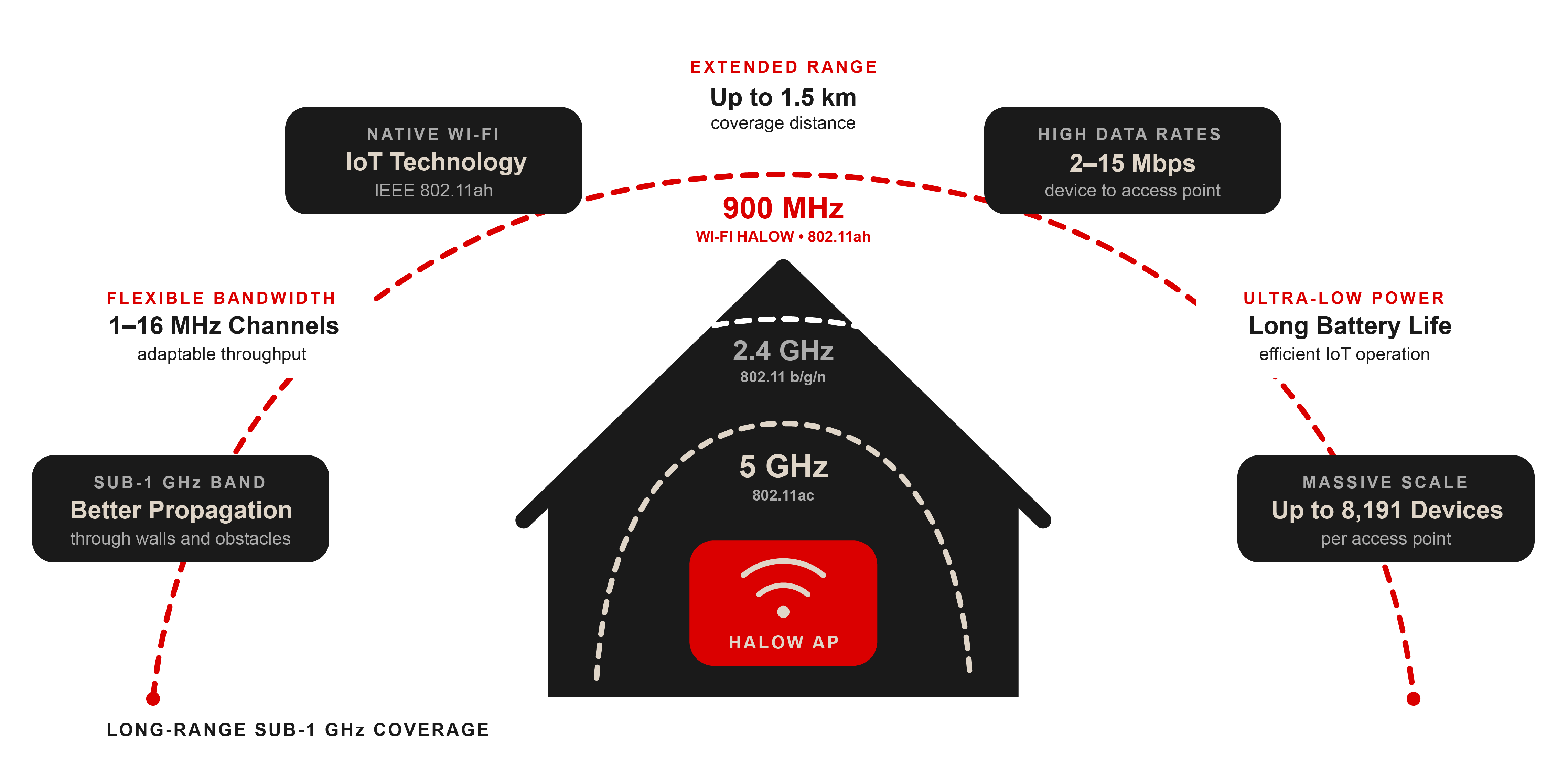
Morse Micro is the leading supplier of Wi-Fi Certified HaLow silicon, delivering long-range, low-power wireless connectivity for industrial, smart city, and IoT applications. Founded by Wi-Fi pioneers with decades of chip design experience behind them, Morse Micro's 802.11ah technology reaches up to 10x farther than conventional Wi-Fi while running on the same standard TCP/IP networking developers already know.

wifi-halow-diagram-alt.png

A Complete Partnership

Ezurio partners with Morse Micro to bring Wi-Fi HaLow to our connectivity and compute platforms, pairing Morse Micro's HaLow silicon with Ezurio's Made in the USA manufacturing, industrial-grade design, and long-term product support, giving OEMs a validated, long-range wireless option that drops into existing designs without a custom protocol stack. 

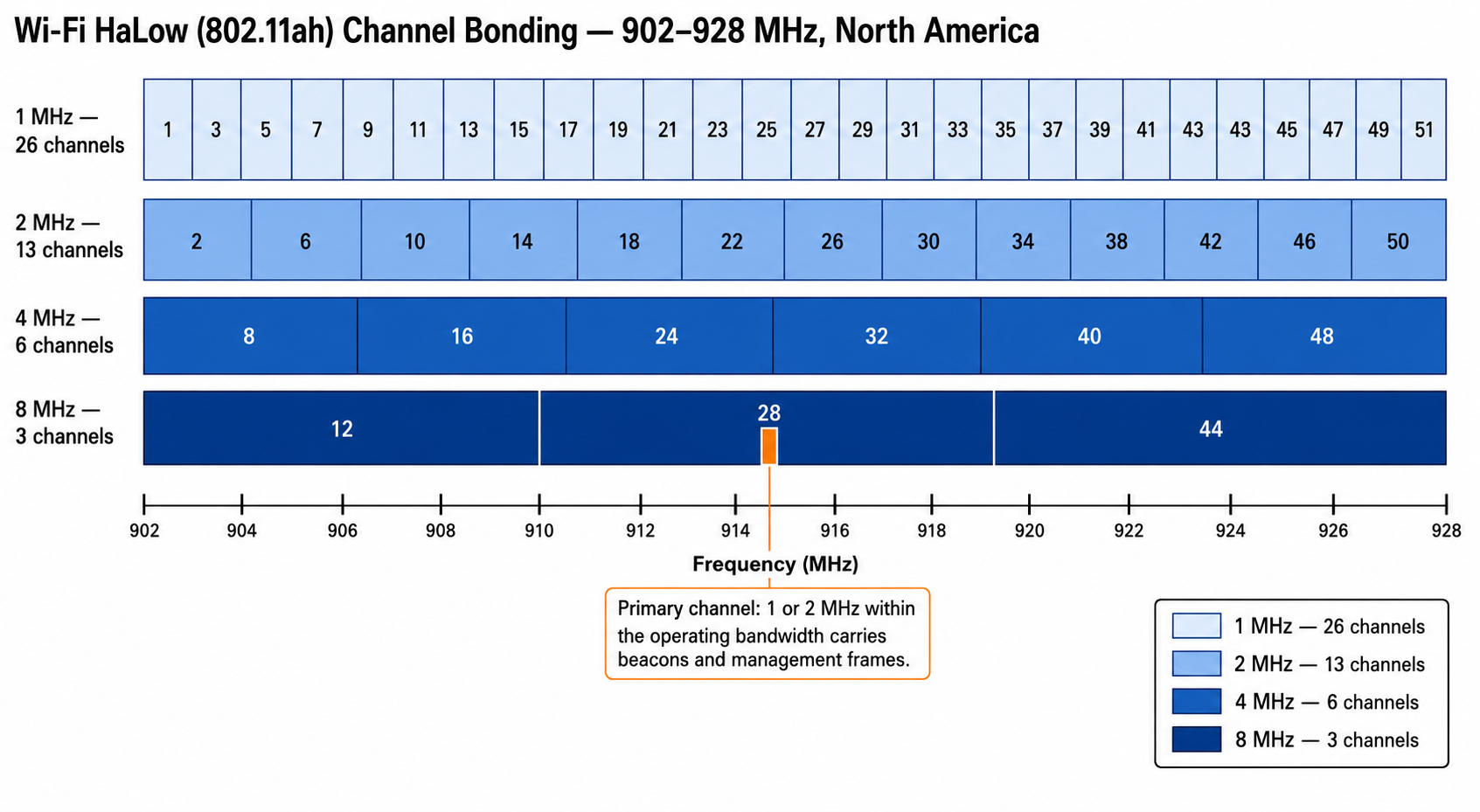
For a deeper technical look at HaLow's channel widths, power-saving modes, and device-density mechanics, read our Wi-Fi HaLow: The Future of Low-Power, Long-Range Connectivity for IoT

Morse Micro Logo

Supported Ezurio HaLow Platforms

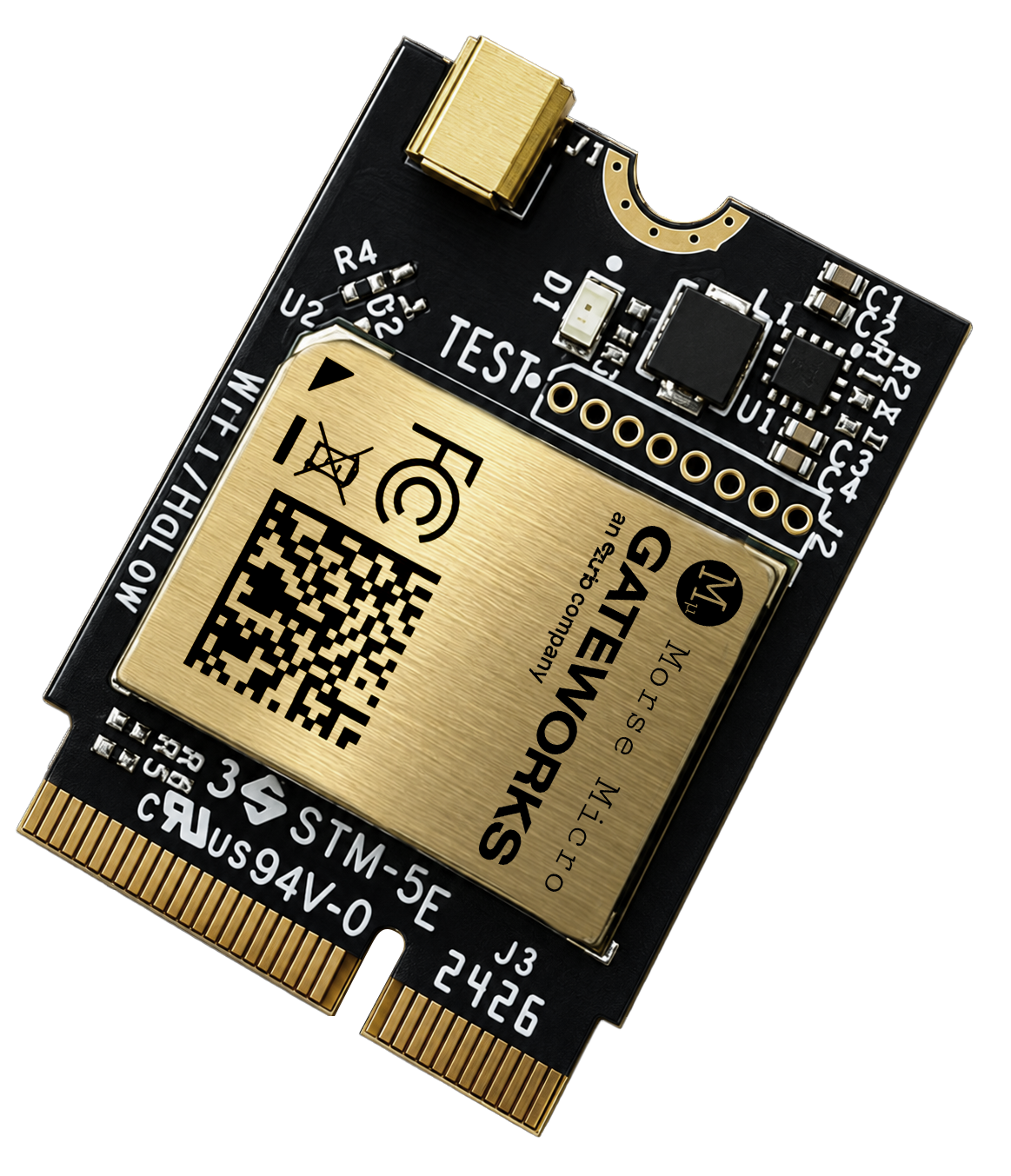
GW16170

A high-power 802.11ah HaLow radio with Morse Micro MM8108-M20, M.2 2230 E-Key form factor for industrial IoT and embedded platforms. Standard Linux IP networking stacks are supported.

gw16170-small-render.png

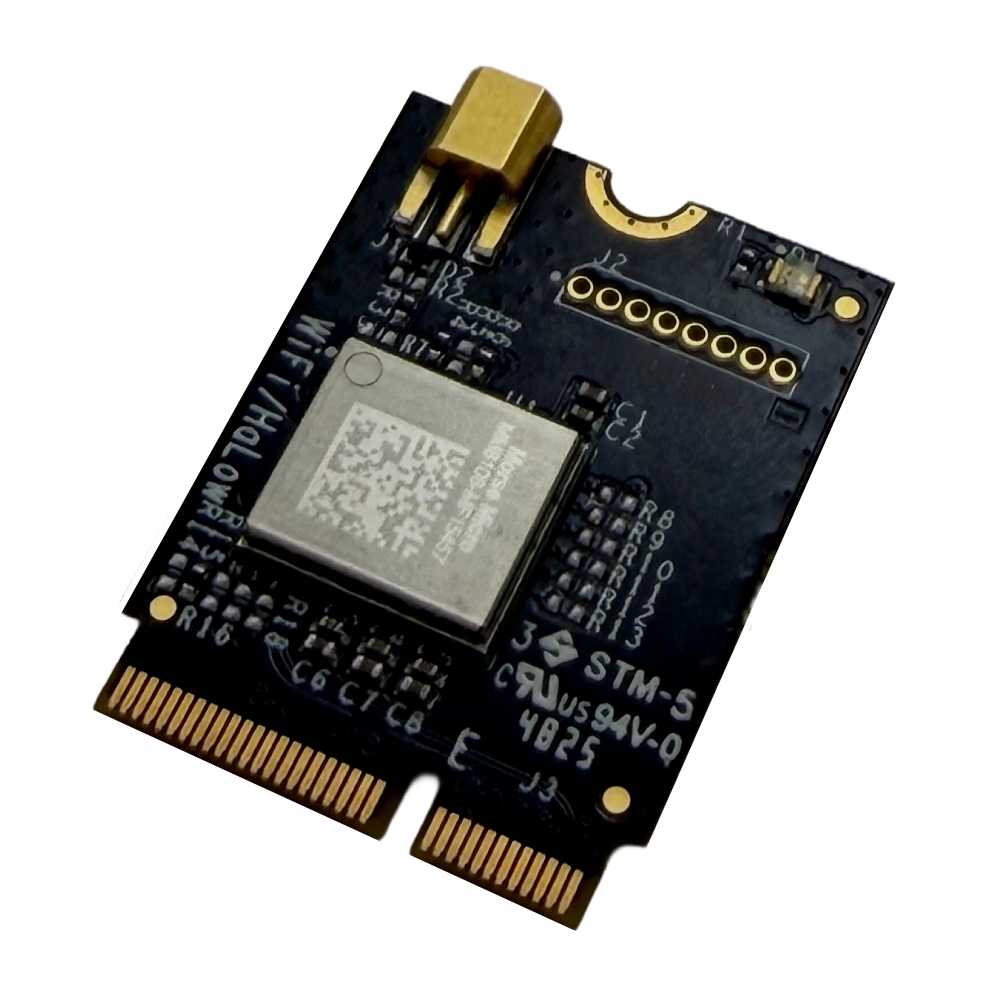
GW16167

802.11ah HaLow radio with Morse Micro MM8108, M.2 2230 E-Key form factor that supports the 850-950 MHz band with up to +26 dBm transmit power. Standard Linux IP networking stacks are supported. 

GW16167_angled.jpg

Ezurio + Morse Micro in Partnership

Wi-Fi HaLow gives OEMs a wireless option that standard 2.4/5 GHz Wi-Fi and other sub-1GHz protocols can't match on range, density, or software compatability.

  1. Extended Range: Sub-GHz propagation (863-928 MHz) penetrates walls and buildings far better than standard Wi-Fi, with 1km+ line-of-sight range.
  2. Standard IP Networking: Runs on the same Linux TCP-IP stack as conventional Wi-Fi. No proprietary SDK or gateway license required.
  3. High Device Density: Restricted Access Window scheduling lets a single access point manage large numbers of stations. GW16170 / GW16167 support 100+ clients per access point.
  4. Multi-Year Battery Life via TWT: Target Wake Time lets a station negotiate exact wake windows with the access point. The difference between months and years on a coin cell battery for infrequent sensor reporting

channel_bonding_wifi_halow.png